
When it comes to maintaining your home, your garage door might not be the first thing that comes to mind. However, keeping it in good working order is essential, especially considering the potential hazards that can arise from a malfunctioning garage door. One of the most significant risks is a broken garage door spring. A garage door spring plays a crucial role in the smooth operation of your door, and a failure can lead to serious accidents or injuries. In this blog post, we’ll explore the dangers of a broken garage door spring, why it’s essential to address it promptly, and the safety precautions you should take to protect yourself and your loved ones.
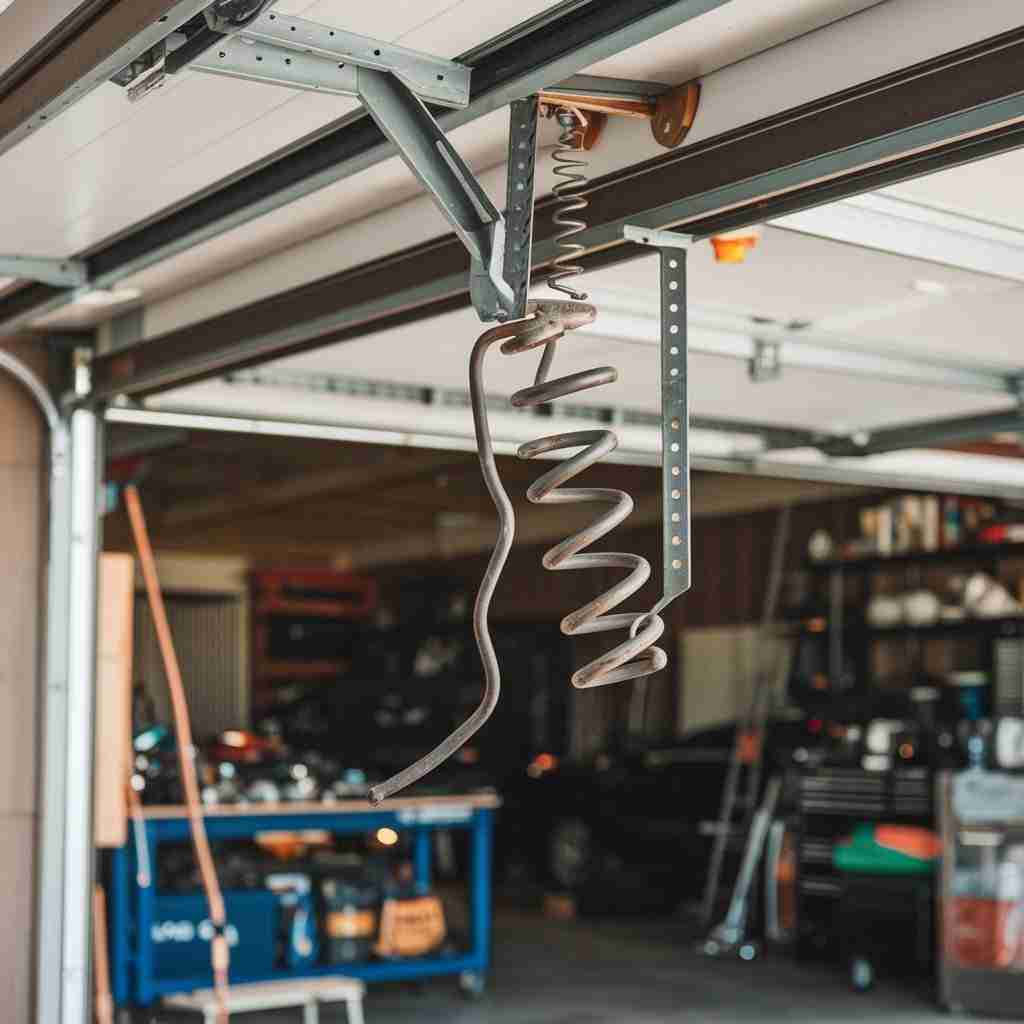
What Is a Garage Door Spring?
Before diving into the dangers of a broken garage door spring, it’s important to understand its role. Garage door springs are responsible for counterbalancing the heavy weight of your garage door. There are two primary types of garage door springs: torsion springs and extension springs.
- Torsion Springs: Located above the garage door, these springs wind and unwind to help lift and lower the door.
- Extension Springs: Typically located on both sides of the door, these springs extend and contract to help with the door’s movement.
Both types of springs are essential for the safe and smooth operation of your garage door. Without them, the door would be too heavy to lift and could fall suddenly, creating significant hazards.
The Dangers of a Broken Garage Door Spring
1. Uncontrolled Door Movement
One of the most immediate dangers of a broken garage door spring is the loss of control over the door’s movement. Springs are responsible for balancing the weight of the door, and without them, the door could either fall suddenly or fail to open or close properly. The lack of tension causes the door to move unpredictably, which increases the risk of injury, especially when people or pets are nearby.
2. Sudden Door Collapse
A garage door without functioning springs could collapse unexpectedly. These doors can weigh between 130 to 350 pounds, depending on the material and design. A sudden collapse can cause serious injuries, including broken bones or worse. If the spring breaks while someone is standing under the door, the force of the fall can cause significant harm.
3. Damage to Other Garage Door Components
When a garage door spring breaks, it doesn’t just affect the spring itself. The tension that the spring holds is distributed to other components like cables, tracks, and rollers. With a broken spring, these parts can become damaged, causing the door to malfunction in various ways. This damage could make the door even more dangerous, as misaligned components can cause the door to stick, jam, or move erratically.
4. Increased Risk of Injury from DIY Repairs
Many homeowners attempt DIY repairs when they notice their garage door isn’t working properly. While this may seem like a cost-effective solution, fixing a broken spring can be incredibly dangerous without the proper tools and expertise. Garage door spring repair requires professional knowledge because these springs are under extreme tension. A poorly executed repair can result in the spring snapping or being released unexpectedly, which can cause injury.
5. Compromised Safety Features
Modern garage doors are equipped with safety mechanisms designed to prevent accidents. For example, safety sensors are meant to stop the door from closing if an object or person is detected in its path. However, a broken spring can prevent these safety features from working properly. If the spring isn’t functioning, the door may not respond correctly to sensors, leading to potential accidents.
6. Unpredictable Failure
Unlike other mechanical failures, a broken garage door spring may not show clear signs of trouble until it’s too late. This unpredictability makes it even more dangerous. A garage door might operate normally one moment and fail the next, catching homeowners off guard and putting them in harm’s way.
Signs Your Garage Door Spring is Broken
Recognizing the signs of a broken garage door spring early on can help you avoid a more serious safety hazard. Common indicators of a malfunctioning spring include:
- The door doesn’t open or close properly: If the door moves slowly, unevenly, or stops moving halfway, it could be a sign that the spring is broken.
- Loud noises: A loud bang or snap when opening or closing the door may indicate a broken spring.
- Visible damage: Look for signs of damage to the spring, such as visible gaps or deformation.
If you notice any of these symptoms, it’s essential to address the problem immediately. Do not attempt to repair the spring yourself; call a professional garage door repair service to ensure it’s handled safely.
Why You Should Never Ignore a Broken Garage Door Spring
Ignoring a broken spring can be tempting, especially if the door still operates in some capacity. However, doing so is highly dangerous. Here’s why:
1. Increased Risk of Injury
As previously mentioned, a broken spring can cause the garage door to move unpredictably. This could lead to serious injury if someone is in the path of the door when it unexpectedly moves or collapses. Additionally, attempting to open or close the door manually when the spring is broken can put unnecessary strain on other components, causing further damage.
2. Further Damage to the Garage Door
A broken spring doesn’t just affect the spring itself. It can lead to damage to other parts of the garage door system, such as cables, tracks, and rollers. The longer you wait to repair a broken spring, the more expensive the overall repair could be. By addressing the issue promptly, you can prevent the need for extensive repairs or even a full replacement.
3. Loss of Property and Security
A malfunctioning garage door can leave your home vulnerable to theft or damage. If the door doesn’t close properly or gets stuck halfway, it could allow unauthorized access to your property. This not only puts your home at risk but also compromises your security.
How to Prevent Garage Door Spring Breakage
While some factors that lead to a spring breaking are unavoidable, there are steps you can take to extend the life of your garage door springs:
1. Regular Maintenance
Regular maintenance is the key to preventing spring failure. Have a professional inspect your garage door at least once a year to check for signs of wear and tear. A qualified technician will lubricate moving parts, tighten loose bolts, and identify any potential issues before they become serious problems.
2. Don’t Overload the Door
Avoid putting too much weight on your garage door, such as heavy items that could cause strain on the springs. This can reduce the lifespan of the springs and lead to premature failure.
3. Proper Use
Avoid using the garage door as a means of entry or exit if it’s not working properly. Manually operating the door when there’s a problem can increase the risk of further damage or injury.
Conclusion
A broken garage door spring is more than just an inconvenience – it’s a significant safety hazard. The risk of injury, property damage, and further mechanical failure makes it essential to address a broken spring as soon as possible. Regular maintenance, awareness of warning signs, and professional repair services can help keep your garage door operating safely and efficiently.
If you suspect a problem with your garage door spring, don’t wait for a catastrophic failure. Contact Gartech Services today to ensure your garage door is functioning properly and your home is safe.
FAQ – Garage Door Spring Repair and Safety
Q: How much does it cost to replace a broken garage door spring?
A: The cost of replacing a broken garage door spring typically ranges between $150 and $350, depending on the type of spring and the specific service provider.
Q: How long do garage door springs last?
A: On average, garage door springs last about 10,000 cycles, which is roughly 7-10 years with regular use.
Q: Can I repair a broken garage door spring myself?
A: It’s highly recommended not to repair a broken spring yourself due to the dangerous tension they are under. Always call a professional to ensure the repair is done safely.
Q: How can I tell if my garage door spring is broken?
A: Look for signs like the door not opening or closing properly, visible damage to the spring, or hearing a loud snap when operating the door.