
Garage door springs are the unsung heroes of your garage door system. They bear the door’s weight, making it easy to open and close with minimal effort. Understanding the different types of garage door springs is crucial when deciding on a new installation or repair. In this guide, we’ll explore the five essential types of garage door springs you need to know.
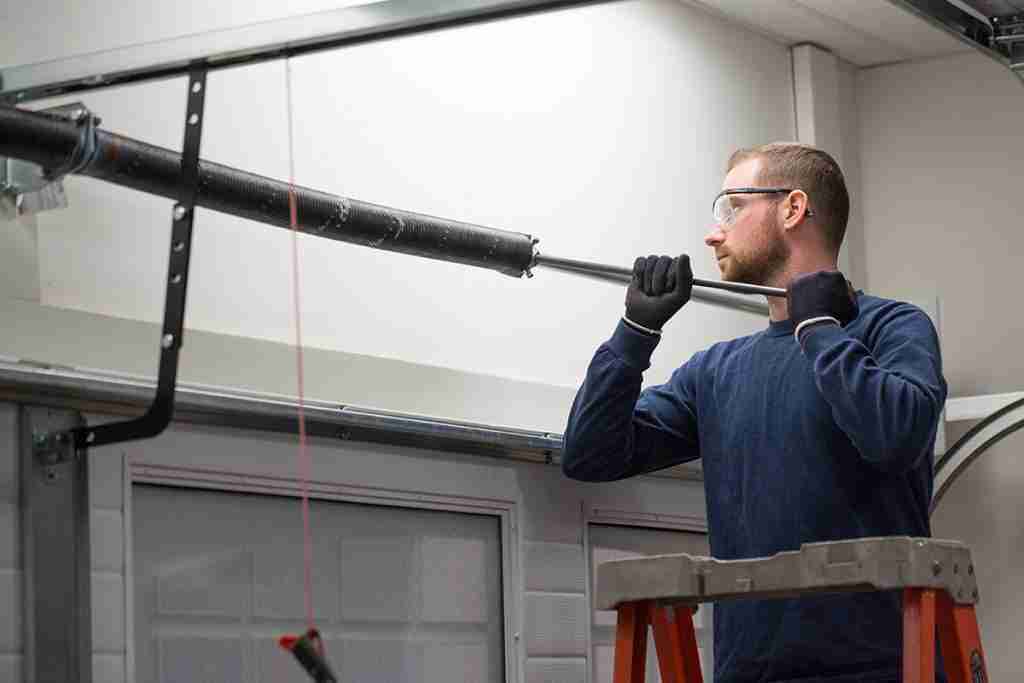
1. Torsion Springs
What Are Torsion Springs?
Torsion springs are mounted horizontally above the garage door and work by twisting to store energy. These springs are the most common choice for modern garage doors.
Benefits of Torsion Springs:
- Durability: Longer lifespan compared to other types of springs.
- Smooth Operation: Ensures balanced and quieter door movement.
- Safety: Minimizes sudden breakdowns due to gradual wear and tear.
Common Applications:
- Ideal for sectional garage doors.
- Often used in residential and commercial properties.
2. Extension Springs
What Are Extension Springs?
Extension springs are mounted on either side of the garage door and stretch as the door opens. They are typically used in older or smaller garage door systems.
Benefits of Extension Springs:
- Affordability: Cost-effective compared to torsion springs.
- Simplicity: Easy to install and maintain.
Common Applications:
- Suitable for lightweight garage doors.
- Often found in single-car garage setups.
3. TorqueMaster Springs
What Are TorqueMaster Springs?
Developed by Wayne Dalton, TorqueMaster springs are an enclosed type of torsion spring. They are housed inside a metal tube for added safety and durability.
Benefits of TorqueMaster Springs:
- Enhanced Safety: Encased design prevents potential injuries from spring breaks.
- Clean Aesthetic: Concealed mechanism for a neater appearance.
Common Applications:
- Ideal for high-end residential garage doors.
- Suitable for families prioritizing safety.
4. Clopay EZ-Set Springs
What Are Clopay EZ-Set Springs?
Clopay EZ-Set springs are a user-friendly variation of torsion springs, designed for easier installation and adjustment.
Benefits of Clopay EZ-Set Springs:
- Ease of Use: Simplifies installation for DIY enthusiasts.
- Adjustable Tension: Allows for fine-tuning to match door weight.
Common Applications:
- Perfect for DIY garage door projects.
- Best for smaller residential doors.
5. Roll-Up Door Springs
What Are Roll-Up Door Springs?
Roll-up door springs are designed for coiling doors that roll into a barrel when opened. These springs are robust and built to handle frequent usage.
Benefits of Roll-Up Door Springs:
- Heavy-Duty Design: Withstands high-frequency usage.
- Space-Saving: Suitable for compact garages.
Common Applications:
- Popular for commercial and industrial settings.
- Often used in storage units.
Final Thoughts
Understanding the types of garage door springs can save you time, money, and hassle when making decisions about repair or replacement. Whether you choose the durable torsion spring or the safety-focused TorqueMaster spring, selecting the right type ensures your garage door operates smoothly and reliably.
Need Expert Help?
If you’re unsure which spring is right for your garage door, consult a professional for advice and installation. Investing in the right spring type today can prevent costly repairs tomorrow.
FAQs
1. How long do garage door springs last? Garage door springs typically last 10,000 cycles, which equals about 7-10 years for most households.
2. Can I replace garage door springs myself? While some springs are DIY-friendly, professional installation is recommended for safety and precision.
3. How do I know if my garage door spring needs replacement? Signs include difficulty opening the door, visible wear, or a loud snapping sound.